Ask for a personalized quote for your next stay at a Vidanta resort


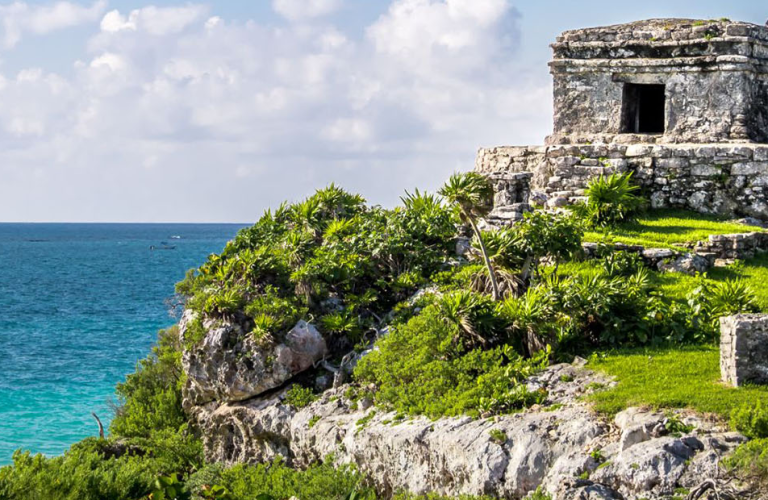
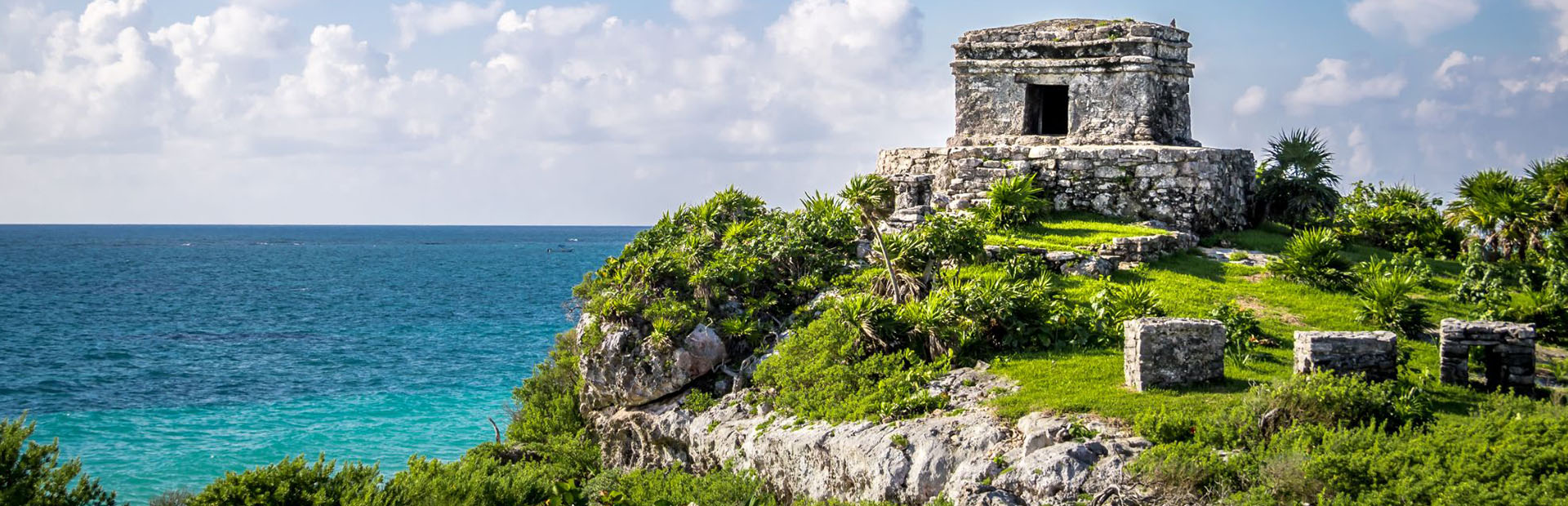
Few archaeological sites in the world combine ancient history with spectacular ocean views quite like the Tulum Ruins. Sitting dramatically atop limestone cliffs overlooking the turquoise Caribbean Sea, Tulum offers visitors a rare opportunity to explore one of the last great Mayan cities while enjoying one of Mexico's most beautiful coastal landscapes.
Whether you're passionate about history, photography, or simply looking for an unforgettable excursion during your Riviera Maya vacation, the Tulum Ruins deserve a place on your itinerary.
The Tulum Ruins are one of Mexico's best-preserved Mayan archaeological sites and among the most visited attractions in the Riviera Maya. Located approximately 130 kilometers (80 miles) south of Cancun, Tulum served as an important trading port between the 13th and 15th centuries.
Unlike many inland Mayan cities, Tulum occupies a breathtaking position directly above the Caribbean Sea. This strategic location allowed the city to become a major hub for maritime commerce, connecting trade routes throughout the Yucatán Peninsula and Central America.
Today, visitors can walk through centuries-old temples, ceremonial buildings, defensive walls, and breathtaking viewpoints that make Tulum unlike any other archaeological destination in Mexico.
Although the Maya civilization had already flourished for centuries before Tulum was established, the city became one of the last major urban centers built before the arrival of the Spanish in the early 16th century.
Originally known as Zama, meaning City of Dawn, Tulum prospered because of its strategic location overlooking important maritime trade routes across the Caribbean.
Merchants arriving by canoe transported valuable goods including:
Jade
Obsidian
Cotton
Salt
Honey
Cacao
Feathers
Ceramics
These commercial activities helped transform Tulum into one of the most influential ports of the Postclassic Maya period.
Why Was Tulum Built on the Coast?
Unlike many ancient Mayan cities hidden deep within the jungle, Tulum was intentionally constructed on elevated cliffs for both protection and commerce.
Its fortified walls shielded the city from attacks while providing excellent visibility over the coastline. At the same time, nearby beaches allowed trading canoes to dock safely, making the city an ideal gateway for merchants traveling across the Caribbean.
This unique combination of military defense, religious importance, and economic activity explains why Tulum became one of the Maya civilization's most remarkable coastal settlements.
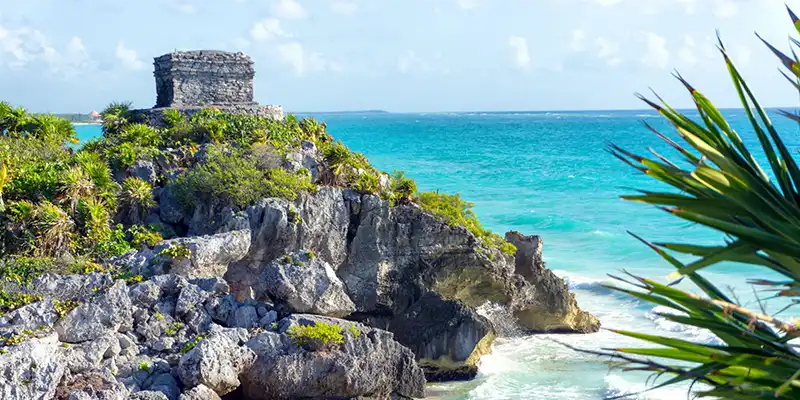
Several factors distinguish the Tulum Ruins from other archaeological sites throughout Mexico.
First, few ancient cities in the world offer panoramic views as spectacular as those found here. The contrast between centuries-old limestone structures and the brilliant blue Caribbean Sea creates an unforgettable setting for visitors and photographers alike.
Second, Tulum's compact size makes it easy to explore in just a few hours while still offering a rich cultural experience. Visitors can comfortably walk through the site without the extensive hiking required at some larger archaeological parks.
Finally, the nearby beaches, cenotes, nature reserves, and vibrant town of Tulum make this destination an ideal addition to any Riviera Maya itinerary.
Although the archaeological site is relatively compact, several remarkable buildings showcase the architectural brilliance and spiritual traditions of the ancient Maya.
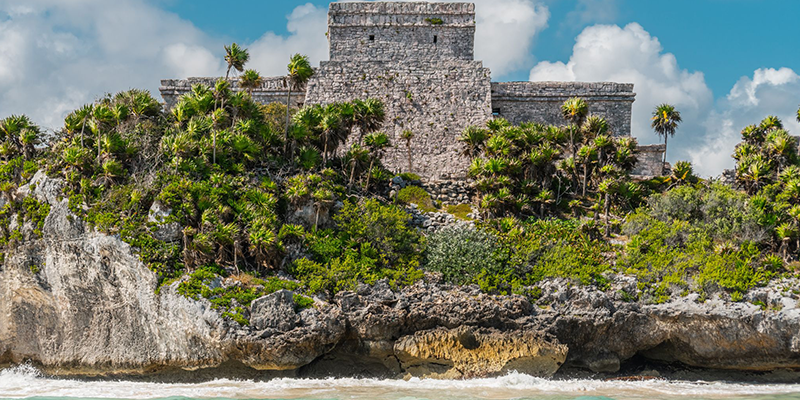
The most recognizable structure within the Tulum Ruins is El Castillo, the iconic temple standing dramatically on a limestone cliff overlooking the Caribbean Sea.
This impressive building served multiple purposes. Besides functioning as a ceremonial temple, it also acted as a navigational landmark for Mayan merchants traveling by canoe. Two small windows in the structure aligned with a nearby reef opening, helping sailors safely enter the protected coastline.
Today, El Castillo remains one of the most photographed landmarks in Mexico and offers breathtaking panoramic views that have become synonymous with Tulum.
One of the site's most historically significant buildings is the Temple of the Frescoes, known for its remarkably preserved murals.
The artwork depicts important Mayan deities, cosmological symbols, and ceremonial imagery, providing valuable insight into the religious beliefs and artistic achievements of the civilization.
Archaeologists believe the temple also served as an astronomical observatory, demonstrating the Maya's advanced understanding of celestial movements and seasonal cycles.
Among the site's most intriguing structures is the Temple of the Descending God, dedicated to one of Tulum's most recognizable deities.
The temple features a carved figure appearing to descend headfirst, a symbol that has inspired numerous interpretations among historians. Some believe it represents the setting sun, while others associate it with fertility, bees, or the planet Venus.
Its distinctive architecture makes it one of the most fascinating stops during your visit.
Unlike many Mayan cities, Tulum was surrounded by thick stone walls on three sides, while the Caribbean Sea naturally protected the eastern edge.
These fortifications highlight the city's strategic importance as both a trading center and a defensive stronghold during the Postclassic period.
Walking through the original gateways offers visitors a glimpse into how merchants, priests, and residents once entered this thriving coastal city centuries ago.
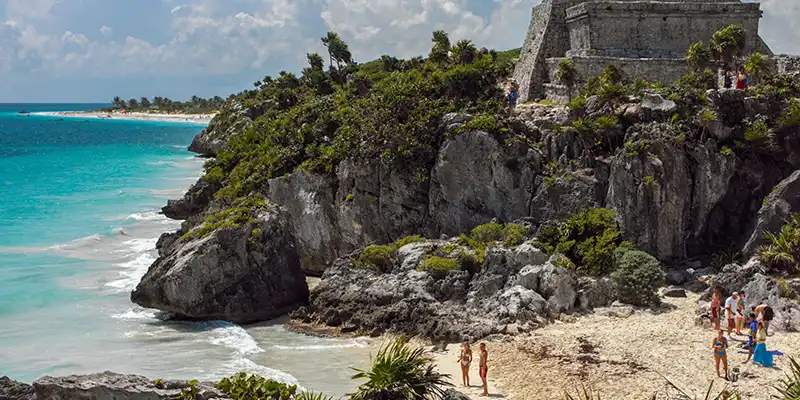
The Tulum Ruins can be visited year-round, but your experience may vary depending on the season and time of day.
The best time to arrive is shortly after opening.
Benefits include:
Smaller crowds
Cooler temperatures
Better lighting for photography
A quieter atmosphere to appreciate the archaeological site
This period offers pleasant temperatures and lower humidity, making it the most popular season for international travelers.
While visitor numbers increase during these months, the comfortable weather makes exploring the site much more enjoyable.
Summer brings warmer temperatures and occasional tropical showers, but it also offers lush green landscapes and fewer tourists on certain weekdays.
If visiting during this season, wear lightweight clothing, stay hydrated, and seek shade whenever possible.
Planning ahead can significantly improve your experience at the Tulum Ruins.
Although the archaeological site is relatively easy to explore, visitors will spend considerable time walking along stone paths and uneven terrain.
Comfortable walking shoes are highly recommended.
There is limited shade throughout the archaeological zone.
Pack:
Sunscreen
Sunglasses
A wide-brimmed hat
Reusable water bottle
Visiting shortly after opening helps you avoid:
Midday heat
Tour bus crowds
Long entrance lines
Early mornings also provide the best opportunities for photography.
The Tulum Ruins are a protected UNESCO-recognized cultural treasure and one of Mexico's most important archaeological landmarks.
Visitors should remain on designated pathways, avoid climbing restricted structures, and help preserve the site for future generations.
The Tulum Ruins are approximately two hours south of Cancun, making them one of the most popular day trips in the Riviera Maya.
Visitors have several transportation options:
Renting a vehicle offers maximum flexibility, allowing travelers to combine their visit with nearby cenotes, beaches, or the Sian Ka'an Biosphere Reserve.
Many visitors prefer organized tours that include transportation, entrance tickets, and expert guides who explain the site's fascinating history.
Mexico's ADO bus network offers affordable and comfortable transportation between Cancun and Tulum.
From the Tulum bus station, visitors can take local transportation or enjoy a short walk toward the archaeological zone.
Private transfers provide the most comfortable option for families or groups seeking a seamless travel experience.
Exploring the Tulum Ruins becomes even more rewarding when it's part of a well-planned Riviera Maya vacation.
Guests enjoying a luxury getaway in Cancun through Sqn Escapes can easily include Tulum as a memorable day trip. After relaxing at a premium resort, visitors can discover one of Mexico's most iconic archaeological treasures before returning to the comfort of their resort accommodations.
Rather than simply visiting another tourist attraction, combining Cancun's world-class hospitality with the cultural richness of Tulum creates a balanced travel experience that blends history, breathtaking scenery, and authentic Mexican heritage.
As with any excursion, travelers should verify current operating hours, transportation options, and entrance requirements when planning their visit.

For many travelers, the perfect vacation is about ...

If you search for “Los Cabos, Mexico time,” th...
Finding a top luxury resort in Mexico is not about...

Learn how to plan a luxury resort escape that feel...